Community Outreach
Want to help homeschooling integrate into the community at large? Are you a homeschool group leader who talks with the media or provides information to new and curious homeschoolers? Here are tips to help you present homeschooling to the public and the media.
Community Outreach: Talking About Homeschooling
Product Reviews on Homeschool Blogs: How to Get Them
How to get bloggers interested in your products so that they will write product reviews on their homeschool blogs -- have an outstanding product first of all and give bloggers incentives. Find social media savvy homeschool bloggers on Twitter and G+ using two special hashtags.
Marketing to the Homeschool Audience
The homeschool niche is unique and has its own quirks. This youtube video shares ten tips for marketing your product or service to homeschool parents.
Nine Ways to Make Your Public Library More Homeschool-Friendly
The number of homeschoolers has grown seven times faster than the number of students attending public schools over the last couple of decades. What does this mean for public libraries? Homeschooling families have always turned to libraries to supplement their educational needs, so as homeschooling increases nationwide, the number of homeschooling patrons will increase as well. There are several steps your public library can take to become more homeschool-friendly.
How To Use Social Media As A Learning Tool For Homeschoolers
Matching, out-of-date sweatsuits. The ability to recite lines from the Iliad in response to your peers’ discussion of a television show. Parroting your parents’ values. If you’ve paid attention to mainstream depictions of homeschooled children, these images are likely familiar.
Homeschooled kids get a bad rap and are too frequently associated with social awkwardness due to a perceived lack of socialization with their peer group. However, with the dawn of social media, more homeschooled students—both those who are being schooled by more “traditional” methods and those who are students are virtual cyber charter schools—are able to better connect with their peers and other members of the homeschooling community.
Thirteen Ways to Help Your Library Help Homeschoolers
If you’re looking for a way to provide a service for homeschoolers in your community, consider becoming a liaison between your library and homeschoolers. Create activities and events for a homeschool audience. Help establish a homeschool resource center within the library. Coordinate with the library to have a Homeschool Day. Help the library find volunteers. Be an intermediary between the homeschool community and the library. And support your library's budget needs.
How the Media Gets It Wrong About Homeschooling
Homeschoolers have gotten their share of bad coverage in the media and in popular culture in the last few years. The publicity on homeschooling runs from atrocious mischaracterization to humorously stereotypical.
Marketing to Homeschoolers with Social Media
How homeschoolers interact with social media. Myths about using social media for marketing to the homeschool audience. Social media preferences for the homeschool market.
Can Your Children Explain Why They Homeschool?
Every child is asked a thousand questions in his growing-up years. If that child happens to be homeschooled the tally rises to a million fairly quickly! You know how it is--you can't go through the check-out line in the grocery store without you and your children being riddled with questions. Homeschooled children are questioned by friends, by relatives, by people at church, by strangers, and occasionally by a TV reporter or a legislator. And sometimes well-meaning friends and relatives can't wait to get your children alone so they can find out what they really think and feel.
You will be doing your children and yourself a great service if you teach them how to handle questions in a graceful, confident, knowledgeable way.
Homeschoolers and Public Libraries: A Synergistic Relationship
Homeschoolers are commonly heavy users of their local libraries. Libraries can become educational hubs for homeschoolers by providing programming, information, and events. Homeschoolers can help libraries by advocating for libraries and urging lawmakers to support these vital institutions in their communities.
The Case for Homeschooling
The public schools are beyond repair. If it is not practical to replace the current system, then at least let those alone who wish to homeschool. Hassle them not. Instead, encourage them and help them. Parents who homeschool their children have three basic complaints against public schools: the lack of academic rigor, the number of maladjusted graduates, and the anti-religious atmosphere. Homeschool advocates claim that homeschooling overcomes these problems. They argue that no matter whether the educational philosophy one holds is that schooling prepares for life or schooling is life, the homeschooled do better. Proponents also claim that private schools are nearly always similar to public schools, so the fundamental criticisms of public schools apply to private schools also, although to a lesser degree.
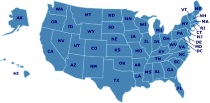
Looking for Another State?
Featured Resources
As an Amazon Associate, we earn from qualifying purchases. We get commissions for purchases made through links on this site.

Classical Education & The Home School
Classical education is an idea whose time has come again. When parents see the failures of modern education, they look for better solutions and classical education is one that has been tested in the past and found to be good. For the Christian home educator, the classical education model is a path to joy and success.

And What About College?: How Homeschooling Can Lead to Admissions to the Best Colleges & Universities
Get all your questions about helping your homeschooled student apply and get accepted to college answered with this resource. It discusses transcripts, diplomas, education choices, online colleges, and more. If you are worried about whether your homeschooled student can have a successful college search, then this book will help allay those fears and offers good support and information.

Pattern Blocks and Boards
This set of 10 simply designed colorful wooden blocks and pattern boards includes 100 blocks in six different shapes and colors. They help develop shape recognition and spatial relationship skills. The contents store neatly in a durable wooden case. This games was awarded the Scholastic Parent & Child's 2004 "Top 22 Toys that Make Kids Think" award.

Morning by Morning : How We Home-Schooled Our African-American Sons to the Ivy League
Home schooling has long been regarded as a last resort, particularly by African-American families. But in this inspirational and practical memoir, Paula Penn-Nabrit shares her intimate experiences of home-schooling her three sons, Charles, Damon, and Evan. Paula and her husband, C. Madison, decided to home-school their children after racial incidents at public and private schools led them to the conclusion that the traditional educational system would be damaging to their sons’ self-esteem...
Bob Books
Bob Books are organized into sets that progress in level as your child learns. They have cute stories and darling illustrations. These books are perfect for children ages 4 to 8.
Bob Books First! Level A, Set 1
Bob Books First! Level A, Set 2
Bob Books First! Level B, Set 2
Bob Books First! Level C, Set 1